
By Pistil Team
11 Apr 2026
The Future of Digital Healthcare: Online Pharmacies in Malaysia
The future of online pharmacies in Malaysia connects digital healthcare, teleconsultations, safe medication delivery, and compliance with health regulations


Get 20% off on your first purchase with code NU2024.Learn more

Health challenges have a way of changing how the body feels and how it is seen. Weight shifts, scars, skin changes, hair loss, or fatigue can quietly affect confidence long after treatment ends. Many women notice that recovery is not only physical. It is emotional, intellectual and deeply non-public.
By Pistil Team
Health challenges have a way of changing how the body feels and how it is seen. Weight shifts, scars, skin changes, hair loss, or fatigue can quietly affect confidence long after treatment ends. Many women notice that recovery is not only physical. It is emotional, intellectual and deeply non-public. This blog explores how body image is fashioned after fitness setbacks, why confidence frequently takes a success and what practical steps can assist rebuild self-worth in a grounded, practical way.
When Health Changes the Relationship with Your Body
Medical conditions, hormonal shifts, fertility concerns and pregnancy-related changes can interrupt the sense of familiarity people have with their bodies. Research posted in girls’ fitness journals indicates that body image dissatisfaction regularly rises after prolonged infection or reproductive health treatment. This is not about vanity. It is about identity.
Physical symptoms can alter daily routines, social confidence and self-expression. For many women seekingreproductive care for women, body image struggles appear alongside medical appointments and treatment plans. These feelings are common, yet rarely discussed during recovery.
Why Confidence Drops After Health Challenges

Body confidence often depends on predictability and control. Health issues remove both. Scholarly disequilibrium can lead to a skin beige, belly bloat, or tiredness. Fertility therapy may include weight and mood-altering drugs. The body is changed physically through pregnancy and postpartum healing.
Common triggers include:
Psychologists note that confidence does not return automatically when health improves. It needs active rebuilding.
Reframing Body Image Without Pressure
Confidence recovery starts with reframing expectations. Bodies are not machines that reset after illness. They adapt. Studies in behavioral health endorse that self-worth improves while attention shifts from appearance to feature and care.
Helpful mindset changes include:
This shift is gradual. It does now not require compelled positivity. Neutral self-communicate frequently works higher than consistent confirmation.
The Role of Daily Care in Confidence Recovery
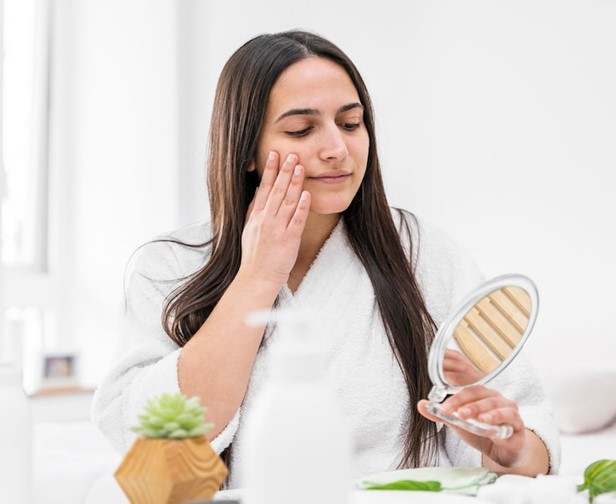
Small routines create stability during uncertain recovery phases. Skincare, nutrients, gentle motion and relaxation are regularly the primary places self-assurance starts offevolved to return. Research in self-care psychology shows that steady private care improves body cognizance and emotional law.
Practical actions may include:
These habits reinforce the message that the body deserves care, not judgment.
Medical Support and Emotional Wellbeing
Health recovery works best when emotional wellbeing is acknowledged. The digital healthcare solutions have become more of a blend of physical treatment and mental and lifestyle advice. Such care is usually structured to meet the needs of women who may need to undertake fertility or pregnancy issues that are associated with both the outcome and emotional burden.
Access toonline pregnancy consultation Malaysiaservices allows women to discuss physical changes, emotional concerns and recovery expectations in one space. Studies on telehealth show that informed patients report higher confidence and lower anxiety.
Learning From Shared Experiences
Case studies in women’s health research highlight the power of shared experience. Women recovering from hormonal disorders or pregnancy-related complications report improved confidence after peer discussion or professional validation.
Key lessons from these studies:
Reading credible health content and speaking with professionals helps separate myths from medical reality.
Rebuilding Confidence in Real Life
Confidence after health challenges does not arrive all at once. It builds in layers. Some days feel steady. Others do not. Behavioral health experts recommend focusing on actions rather than emotions.
Effective confidence-building steps include:
Progress looks uneven because healing is uneven. That is normal.
When Professional Support Helps

Counseling, therapy, or guided wellness programs can support body image recovery. Evidence shows that structured support improves self-perception, especially after reproductive health treatment. Seeking help is not a sign of weakness. It is part of recovery. Care co-ordination increases the rate of building confidence. The combination of physical, emotional support and lifestyle treatment is most effective.
Body image and confidence often shift after health challenges, especially those involving hormones, fertility, or pregnancy. These changes are not personal failures. They reflect adaptation. Rebuilding self-confidence takes time, readability and steady care. Practical workouts, scientific guidance and knowledgeable aid all play a position. Recovery becomes extra sustainable when physical and emotional fitness are addressed collectively. For ladies searching for dependent, respectful health assist,Pistil Sdn Bhdgives care that recognizes the complete character, no longer just the circumstance.
1. Is it normal to feel disconnected from your body after a health setback?
Yes. Physical changes, medical treatment, and recovery timelines can affect how safe or familiar the body feels. This response is common and often temporary.
2. Can hormonal changes affect confidence even after treatment ends?
Hormonal systems take time to stabilize. Emotional shifts may continue for weeks or months after physical symptoms improve, which is a normal part of recovery.
3. How long does it take to rebuild body confidence after health challenges?
There is no fixed timeline. Some women notice improvement within a few months, while others need longer. Progress often comes in small, uneven steps.
4. Should appearance-related concerns be discussed with healthcare providers?
Yes. Skin changes, weight fluctuations, and emotional distress are valid health concerns and can provide important clues about recovery and hormone balance.
5. What helps maintain confidence during long-term care or monitoring?
Clear information, realistic expectations, supportive routines, and consistent professional guidance all help reduce uncertainty and improve self-trust over time.
Share this post

By Pistil Team
11 Apr 2026
The future of online pharmacies in Malaysia connects digital healthcare, teleconsultations, safe medication delivery, and compliance with health regulations
By Pistil Team
11 Apr 2026
Simple acne prone skin care routine for beginners with gentle cleansing, targeted treatments, moisturising tips, and daily habits to reduce breakouts safely.

By Pistil Team
11 Apr 2026
Learn what to expect from a first pregnancy teleconsultation, including preparation tips, questions to ask, tests discussed, and follow-up care planning steps.


Pistil Sdn Bhd (Reg. No: 1530310-W)
STAY IN THE KNOW
Reimagining Healthcare for Her! Be the first to get the full scoop by signing up for our newsletter:
Pistil Sdn Bhd © 2026 | All Rights Reserved
