
By Pistil Team
11 Apr 2026
The Future of Digital Healthcare: Online Pharmacies in Malaysia
The future of online pharmacies in Malaysia connects digital healthcare, teleconsultations, safe medication delivery, and compliance with health regulations


Get 20% off on your first purchase with code NU2024.Learn more

These days, skin care is more than just cleansers and moisturizers. Today, hormonal balance and reproductive health are shaping how people approach skin wellness. Platforms like Pistil focus on women’s health as a whole and that perspective is now influencing how users choose skin care products online and seek medical advice.
By Pistil Team
These days, skin care is more than just cleansers and moisturizers. Today, hormonal balance and reproductive health are shaping how people approach skin wellness. Platforms like Pistil focus on women’s health as a whole and that perspective is now influencing how users chooseskin care products onlineand seek medical advice. Hormonal shifts, stress levels and reproductive health conditions often show up first on the skin. This blog explains how hormones and stress affect skin health, why reproductive care matters in skincare decisions and how integrated health solutions are changing the industry.
Hormones play a direct role in how the skin reaction. Estrogen, progesterone, cortisol and androgens all affect oil production, hydration, elasticity and inflammation.
Common skin problems caused by hormones are
Stress increases cortisol levels, which could weaken the pores and skin wall, slow healing and worsen breakouts. Treating skin without managing these internal triggers often leads to short-term results only.
Treatments for the skin's surface are giving way to care for the causes of skin problems. This is why women need to get reproductive health care. Conditions such as irregular periods, fertility challenges and hormonal imbalances are increasingly recognized as skin-related issues too.
Healthcare-led platforms now support
It helps people understand why their skin behaves the way it does, not just how to cover it up.
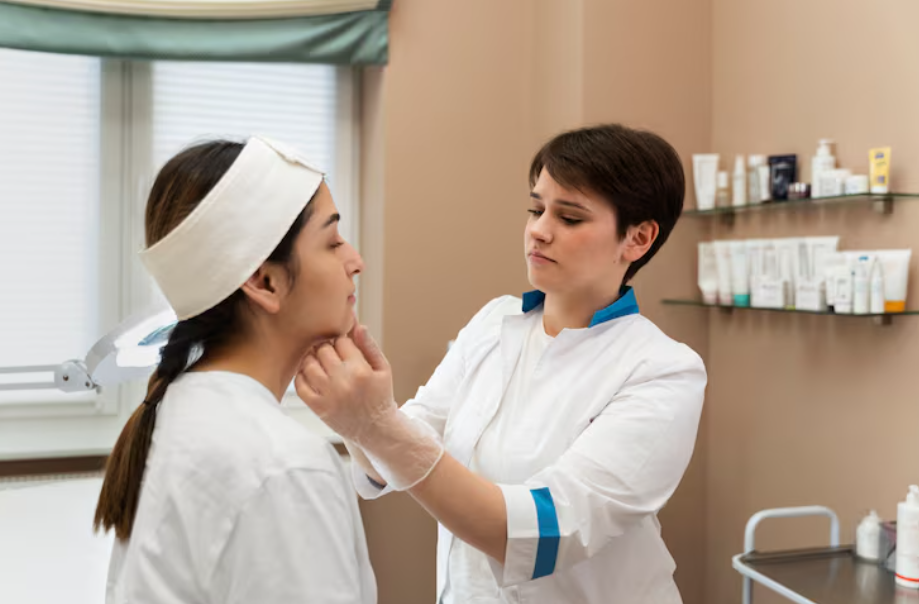
Consumers are becoming more informed and alert. Instead of depending on trends, they prefer solutions backed by healthcare professionals.
Key changes in user behavior include
This shift has increased trust in platforms that combine teleconsultations, education and access to items that have been checked out. Skincare is no longer separate from overall health.
Buying skin care products online is now closely tied to health education. Users expect more than product descriptions. They look for:
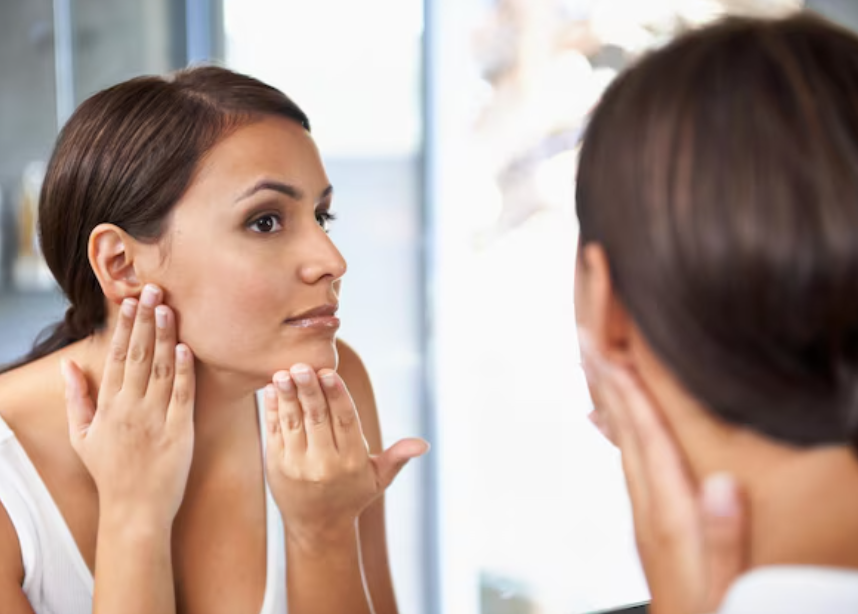
For many users, skin concerns are an early signal of deeper health changes. Addressing them throughreproductive care for womenleads to more consistent, long-term improvement.
Benefits of this approach include
Instead of switching products repeatedly, users gain clarity and control.
Hormones, stress and skin health are greatly connected. The skincare industry is growing by identifying reproductive health as a main factor in skin wellness. With experienced guidance, education and smarter online access, users can finally address the root causes of skin issues instead of just symptoms. For women taking informed, health-led skincare decisions, platforms likePistil Sdn Bhdare helping redefine what effective skincare truly means.
1. Can hormonal imbalance really affect skin health?
Yes. Hormonal changes influence oil production, inflammation, and skin repair, often causing acne, dryness, or pigmentation.
2. Why is reproductive health important for skincare decisions?
Reproductive health conditions can trigger recurring skin issues. Addressing them improves treatment accuracy and results.
3. Is it safe to buy skin care products online for hormonal skin concerns?
It is safer when supported by medical advice, clear ingredient information, and personalized recommendations.
4. How does stress impact skin through hormones?
Stress increases cortisol, which weakens the skin barrier, slows healing, and worsens breakouts and sensitivity.
Share this post

By Pistil Team
11 Apr 2026
The future of online pharmacies in Malaysia connects digital healthcare, teleconsultations, safe medication delivery, and compliance with health regulations
By Pistil Team
11 Apr 2026
Simple acne prone skin care routine for beginners with gentle cleansing, targeted treatments, moisturising tips, and daily habits to reduce breakouts safely.

By Pistil Team
11 Apr 2026
Learn what to expect from a first pregnancy teleconsultation, including preparation tips, questions to ask, tests discussed, and follow-up care planning steps.


Pistil Sdn Bhd (Reg. No: 1530310-W)
STAY IN THE KNOW
Reimagining Healthcare for Her! Be the first to get the full scoop by signing up for our newsletter:
Pistil Sdn Bhd © 2026 | All Rights Reserved
