
By Pistil Team
11 Apr 2026
The Future of Digital Healthcare: Online Pharmacies in Malaysia
The future of online pharmacies in Malaysia connects digital healthcare, teleconsultations, safe medication delivery, and compliance with health regulations


Get 20% off on your first purchase with code NU2024.Learn more
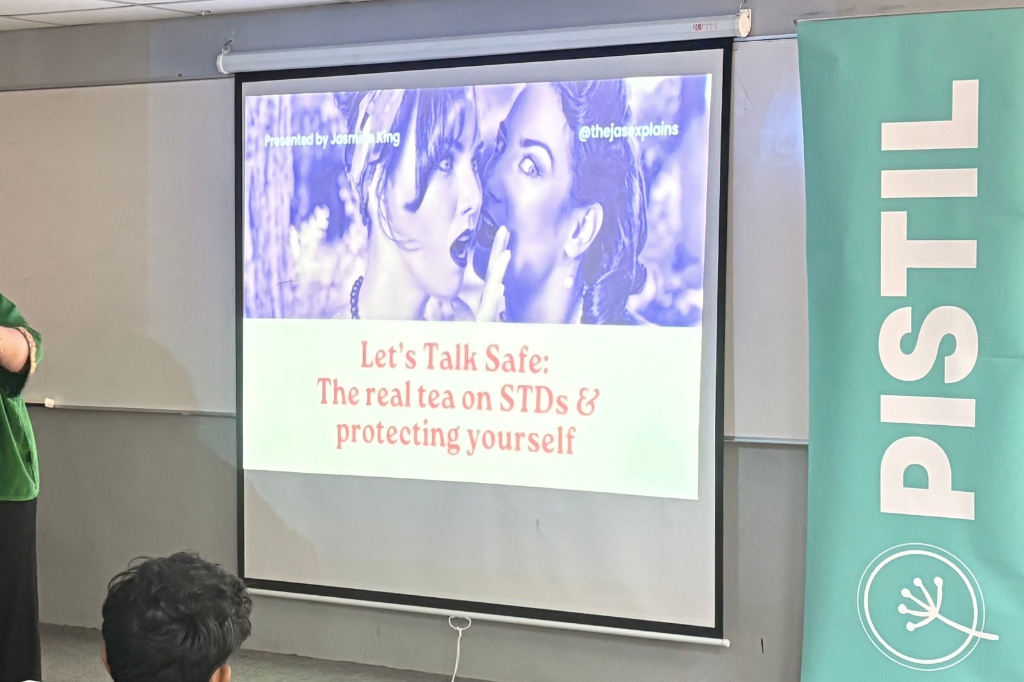
Stop believing common STD myths. Learn accurate facts about sexual health, prevention, and responsible practices to protect yourself and stay fully informed.
By Pistil Team
When was the last time you heard a friend, teacher, or even a parent talk openly aboutsexually transmitted diseases (STDs)? For most Malaysians, the answer is rare, if not never. The topic is wrapped around silence, stigma, and shame.
Because of this, many Malaysians grow up relying on half-truths, rumours, or whispers from friends. Those myths can be comforting to hear, but when reality hits, people become unprepared and clueless.
Despite there being a cure, STDs and STIs continue to be a serious health concern globally. Globally, over 1 million people are infected with curable STIs every day, and in 2022 alone, 8 million adults were diagnosed with syphilis. Malaysia is no exception. In 2022, 4,669 syphilis cases and 1,211 AIDS cases were reported, and by the end of 2023, more than 85,000 Malaysians were living with HIV, most of which were young adults aged 20 to 29.
These figures make one thing clear: STDs are not rare. They exist in schools, universities, workplaces, and even homes. Yet many still think it’s “not their problem,” often because of silence or misinformation
Let’s break down the five most common myths Malaysian still believe about STDs, and the truths we all need to know.
Many types of STIs and STDs show no symptoms for months or years. Someone can look perfectly healthy and still pass it to others. The only way to know is throughregular testing.
Testing is private, simple, and often affordable (RM100–400 in most clinics). Many clinics and NGOs, likePistil programsor PT Foundation, even provide discreet services or self-test kits.
Condoms lower the risk but don’t cover everything. Infections like herpes or HPV can still spread through skin-to-skin contact. Condoms help, but regular checks and vaccines are just as important.
Even in committed relationships, risks exist. A partner may have had an untreated infection before, or not be fully open about past experiences. Love and trust matter, but so does awareness.
STDs don’t discriminate. Married, single, young, or old, anyone can be affected. Treating STDs as a “moral issue” only adds shame, which stops people from seeking help.
As everything else in this world, myths don't just appear out of nowhere, they grow in silence. In Malaysia, sexual topics are still difficult to talk about.
Many parents avoid the conversation entirely, fearing it might encourage curiosity or “bad behaviours". Schools don’t always fill the gap either. Their explanations are often minimal, overly scientific, or focused solely on self-control.
As a result, young Malaysians grow up with little to no accurate information about their own bodies or how to stay safe. On top of it all, stigma makes people afraid to ask questions. And without safe sources, many turn to their friends, rumours, or the internet, where misinformations spreads faster than facts. The result? Myths thrive, and people stay unprepared and uneducated.
Breaking myths is not just the job of doctors or health campaigns, it also starts with ourselves. Here’s what we can do:
Treat STD checks like routine healthcare, similar to a dental visit or blood pressure test. There are public hospitals, private clinics, and some NGOs, likePistil programor PT Foundation, in Malaysia that provide free or affordable screenings.
Whether you’re at home, in the classroom, or in community programs or events, creating a safe space to talk openly about sexual health, in a way that is age-appropriate and free of shame, helps replace rumours with facts.
You can joincommunity events, workshops, orprogrammesthat centre around the topic of STDs or sexual health, like Pistil Community, Malaysian AIDS Council (MAC), or SEED Foundation, to educate and gain awareness for yourself or people you know about STDs.
Condoms reduce the risk of many STIs, but they’re not perfect. Infections like HPV or herpes can still spread through skin-to-skin contact. In Malaysia, schoolgirls get free HPV vaccines, but young women can also continue vaccination later on at clinics or hospitals. However, boys and men can take it too. While cervical cancer only affects women, men play a role in spreading HPV through sexual contact. By getting vaccinated, both men and women protect themselves and their partners.
STDs are health issues that need to be treated, like diabetes or the flu, not a reflection of character. Labeling them as “shameful” only makes people hide symptoms or avoid testing. And yes, stigma may never fully disappear, butopen conversationsat home, in schools, or among friends can reduce fear and encourage people to seek help. Even small steps in awareness lead to greater acceptance and understanding.
When it comes to sex education, parents often stop at “don’t get pregnant” or “have self-control,” but kids also need to learn about infections, consent, respect, and real-life safety. You don’t have to be a doctor to know about all this, just being open and honest is enough. By communicating early and checking facts together, parents can raise children who are informed and prepared, not left in the dark.
In many Malaysian classrooms, teachers skip sexual or reproductive topics because they feel it’s “awkward”. Students end up knowing only the basics and start seeing the subject as shameful instead of natural. But sexual education is just as important as learning about the heart or lungs. If adults start to teach it with confidence, students treat it as normal, feel safer asking questions, and myths have less room to grow.
Which is whyPistilis here, a reproductive health platform to make sexual health conversations safe, open, and stigma-free.
Author byClarissa, Pistil Team
This article has been reviewed byDr. Christi, Medical Officer from Metromedic, Pistil’s Clinic Network
This article was originally featured onThe Rakyat Post
💗 Your body. Your truth. Your protection.
📲 Learn the facts about STDs and break the silence with Pistil at www.pistil.io
Share this post

By Pistil Team
11 Apr 2026
The future of online pharmacies in Malaysia connects digital healthcare, teleconsultations, safe medication delivery, and compliance with health regulations
By Pistil Team
11 Apr 2026
Simple acne prone skin care routine for beginners with gentle cleansing, targeted treatments, moisturising tips, and daily habits to reduce breakouts safely.

By Pistil Team
11 Apr 2026
Learn what to expect from a first pregnancy teleconsultation, including preparation tips, questions to ask, tests discussed, and follow-up care planning steps.


Pistil Sdn Bhd (Reg. No: 1530310-W)
STAY IN THE KNOW
Reimagining Healthcare for Her! Be the first to get the full scoop by signing up for our newsletter:
Pistil Sdn Bhd © 2026 | All Rights Reserved
