
By Pistil Team
11 Apr 2026
The Future of Digital Healthcare: Online Pharmacies in Malaysia
The future of online pharmacies in Malaysia connects digital healthcare, teleconsultations, safe medication delivery, and compliance with health regulations


Get 20% off on your first purchase with code NU2024.Learn more
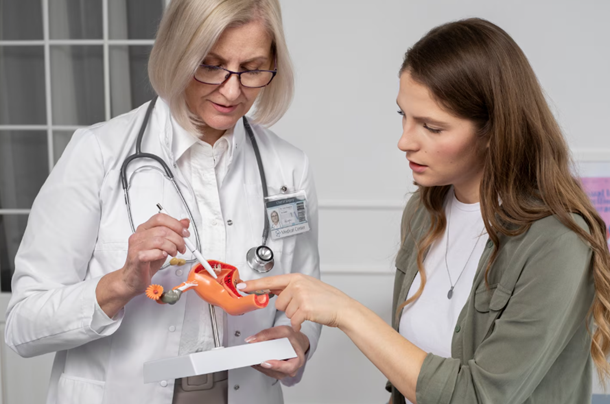
One of the most widespread infections that impact on cervical health is preventable Human Papillomavirus (HPV). In order to achieve the objectives of the platform that targets reproductive care for women, they should be especially educated regarding HPV, screening and prevention.
By Pistil Team
One of the most widespread infections that impact on cervical health is preventable Human Papillomavirus (HPV). In order to achieve the objectives of the platform that targetsreproductive care for women, they should be especially educated regarding HPV, screening and prevention. This blog explains the definition of HPV, the impact of HPV on cervical health and the measures women can use when reducing chances of being infected through vaccination, screening and medical support. It is set to bring accessible and correct information to enable people make sensible health decisions and to maintain proactive health care.
What Is HPV and Why Cervical Health Matters
HPV is a type of virus that is commonly spread by close physical contact. A number of these dangerous strains can produce cell changes in the cervix and with a negligent attitude, cervical cancer.
Cervical health matters because:
Most HPV infections clear naturally, but ongoing monitoring is critical to identify cases that require medical attention.
HPV Prevention: Practical Steps Women Can Take

The vaccination against HPV prevents the most common high-risk strains of the virus. It is also prescribed to teens and even adults who have not gone through with the vaccination schedule. Vaccination is not a substitute for screening but a much lower risk would be reduced in the long-term.
Consistent protection and routine sexual health checks help reduce HPV transmission. While protection lowers risk, it does not eliminate it which is why screening remains essential.
Reliable access to consultations, prescriptions, and follow-up care ensures early action. Many women now rely on anonline pharmacy Malaysiaoption to discreetly manage prescriptions, vaccines, and related healthcare needs without delays.
Cervical Screening: What to Know
Pap Smear and HPV Testing
The screening of the neck is used to detect the presence of abnormal cellular changes before they develop. Routine examinations include Pap smears to identify abnormalities within the cervical cells and HPV tests to identify virus strains that cause high risks. The frequency of screening is most often advised to be at a few years of age, depending on the medical history and risk factors of a person.
When to Get Screened
Screening schedules vary, but women should:
The best prevention of cervical cancer is through regular screening.
Managing Cervical Health with Digital Healthcare Options
Digital healthcare platforms simplify access to information, consultations, and treatment. A licensedonline pharmacycan support cervical health by.
These services allow women to be more convenient in keeping up with their health. Prescription vaccines and medicines, the availability of which, discreet home delivery, and aftercare services can help women to manage their health demands effectively and combine work, family and other daily tasks.
Conclusion
The cervical screening is essential to long-term female health care. Vaccination, safe practices and routine screening are complementary and assist in minimizing the risk and in the early detection. Women will have a chance to make realistic steps towards the enhancement of their cervical health through access to reliable digital healthcare services and keeping up-to-date. To receive reliable advice and a convenient choice of care services, visit the services ofPistil Sdn Bhd.
FAQs
1. What causes HPV infections?
HPV spreads mainly through skin-to-skin contact, most often during sexual activity.
2. Can HPV go away on its own?
Yes, many HPV infections clear naturally, but regular screening is needed to monitor risks.
3. How often should cervical screening be done?
Screening frequency depends on age and health history, but most women are advised to test every few years.
4. Can I manage HPV-related care online?
Yes, many women use digital consultations and pharmacy services to manage testing, prescriptions, and follow-up care safely.
Share this post

By Pistil Team
11 Apr 2026
The future of online pharmacies in Malaysia connects digital healthcare, teleconsultations, safe medication delivery, and compliance with health regulations
By Pistil Team
11 Apr 2026
Simple acne prone skin care routine for beginners with gentle cleansing, targeted treatments, moisturising tips, and daily habits to reduce breakouts safely.

By Pistil Team
11 Apr 2026
Learn what to expect from a first pregnancy teleconsultation, including preparation tips, questions to ask, tests discussed, and follow-up care planning steps.


Pistil Sdn Bhd (Reg. No: 1530310-W)
STAY IN THE KNOW
Reimagining Healthcare for Her! Be the first to get the full scoop by signing up for our newsletter:
Pistil Sdn Bhd © 2026 | All Rights Reserved
