
By Pistil Team
11 Apr 2026
The Future of Digital Healthcare: Online Pharmacies in Malaysia
The future of online pharmacies in Malaysia connects digital healthcare, teleconsultations, safe medication delivery, and compliance with health regulations


Get 20% off on your first purchase with code NU2024.Learn more

Our kids deserve better sex education in school. Age-appropriate, open conversations help build awareness, safety, and healthy development from an early stage.
By Pistil Team
Every October, the world turns pink. Ribbons appear on shirts, social media fills with hashtags #breastcancerawarenessmonth, and people share stories of their strength and survival. But beyond all the pink logos and charity runs, Pinktober reminds us that awareness starts with us.
99% of the time, breast cancer affects women. But there’s a 0.5% to 1% chance that it can affect men (World Health Organization [WHO], 2025). Awareness shouldn’t be limited by gender. It’s about paying attention to your body, regardless of who you are, knowing what feels right and noticing when something doesn’t. And awareness shouldn’t just be a one-month event, it should be a lifelong habit.
What do you think when we say “breast awareness”? Most of you would think about cancer. Though oftentimes, breast awareness may relate to breast cancer, awareness itself is more of understanding your own body as a whole.
When you start to notice something’s off, when something doesn’t look or feel right and you start checking in, when you’re comfortable enough with your own body to recognise its pattern, this is all considered “being aware”. Doing this doesn’t just help you catch changes earlier, but also manage stress better, and build confidence.
Being aware can help detect early signs of not only breast changes but also skin, chest, or hormonal issues. After all, health doesn’t have a gender, it belongs to everyone.
In a society where talking about breast or body awareness are still whispered about, body checks become rare. People laugh it off, some avoid eye contact, and many think it’s “too private” to discuss. But what can silence prevent?
Talking about body awareness isn’t taboo, it’s an act of responsibility, not embarrassment. By talking about it, we make it normal. We can share reminders and make it a routine. By normalising these conversations, we make them safe for everyone. We can prevent the worst from happening as often.
That’s all it takes. One minute before you shower. One minute before bed. One minute to change everything.
You don’t need fancy tools or routines. Just your hands, mirror, and a bit of time. If you can spend hours online watching strangers with their lives, you can spend sixty seconds watching your own.
Because you’re not trying to check what’s wrong with you, you’re trying to learn what’s normal for you. If you know when your body is normal, you’ll realise quickly when something is wrong.
You don’t need a doctor. You don’t need to memorise any steps either. Here’s a simple way to start:
Stand in front of a mirror with your arms by your side. Look for anything unusual, like any changes in size, shape, or texture. Check your chest, underarms, and collarbone area. Then raise your arm and look again.
You’re not looking for anything wrong, just getting familiar with what’s right to you.
Use the flat part of your finger (not the tips) to gently press around your chest in small circles. Move from the top to bottom, side to side, covering your whole chest and underarm. Do it in the shower or laying down, whatever feels natural and comfortable to you.
Think of it as a quick scan, not an exam. You’re just checking on yourself, there’s no wrong way to do it.
If you feel something new, like a lump, swelling, or pain, don’t panic. Many changes are harmless and caused by hormones or stress. But if something feels different and stays that way, talk to your doctor. It’s always better to ask early than to wonder later.
Once you do it a few times, it becomes second nature, just another part of your monthly routine.
AtPistil, we believe health should feel human, not something awkward, complicated, or hidden behind closed doors. Frommenstrual health to mental wellness, we want everyone – women, men, teens, and adults – to feel safe learning about their bodies.
This Pinktober, we’re here to remind you that awareness isn’t just a campaign, but a habit that could save you in the future.
So before you scroll, take one minute. Check in with your body, talk about it, remind someone else to do the same.
And when you’re ready to take the next step, Pistil can help connect you withsimple, judgment-free screening optionsto help you understand your body better and feel at ease.
Author byClarissa, Pistil Team
💗 Pink isn’t just a colour, it’s a reminder to care for yourself.
📲 Take a minute to check in with your body, early detection saves lives. Learn more with Pistil atwww.pistil.io
Share this post

By Pistil Team
11 Apr 2026
The future of online pharmacies in Malaysia connects digital healthcare, teleconsultations, safe medication delivery, and compliance with health regulations
By Pistil Team
11 Apr 2026
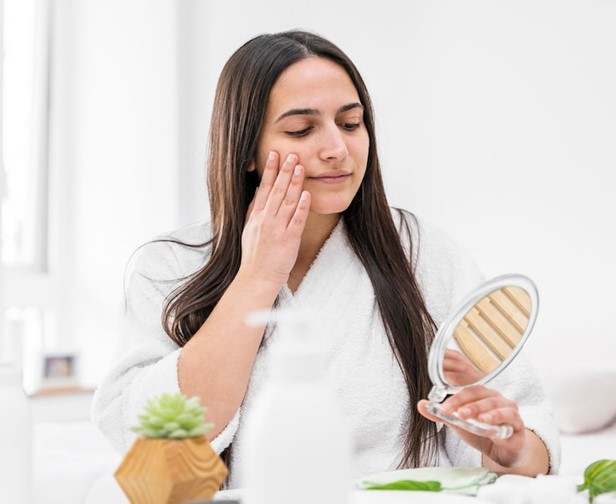
Simple acne prone skin care routine for beginners with gentle cleansing, targeted treatments, moisturising tips, and daily habits to reduce breakouts safely.

By Pistil Team
11 Apr 2026
Learn what to expect from a first pregnancy teleconsultation, including preparation tips, questions to ask, tests discussed, and follow-up care planning steps.


Pistil Sdn Bhd (Reg. No: 1530310-W)
STAY IN THE KNOW
Reimagining Healthcare for Her! Be the first to get the full scoop by signing up for our newsletter:
Pistil Sdn Bhd © 2026 | All Rights Reserved
